
PARAROJA
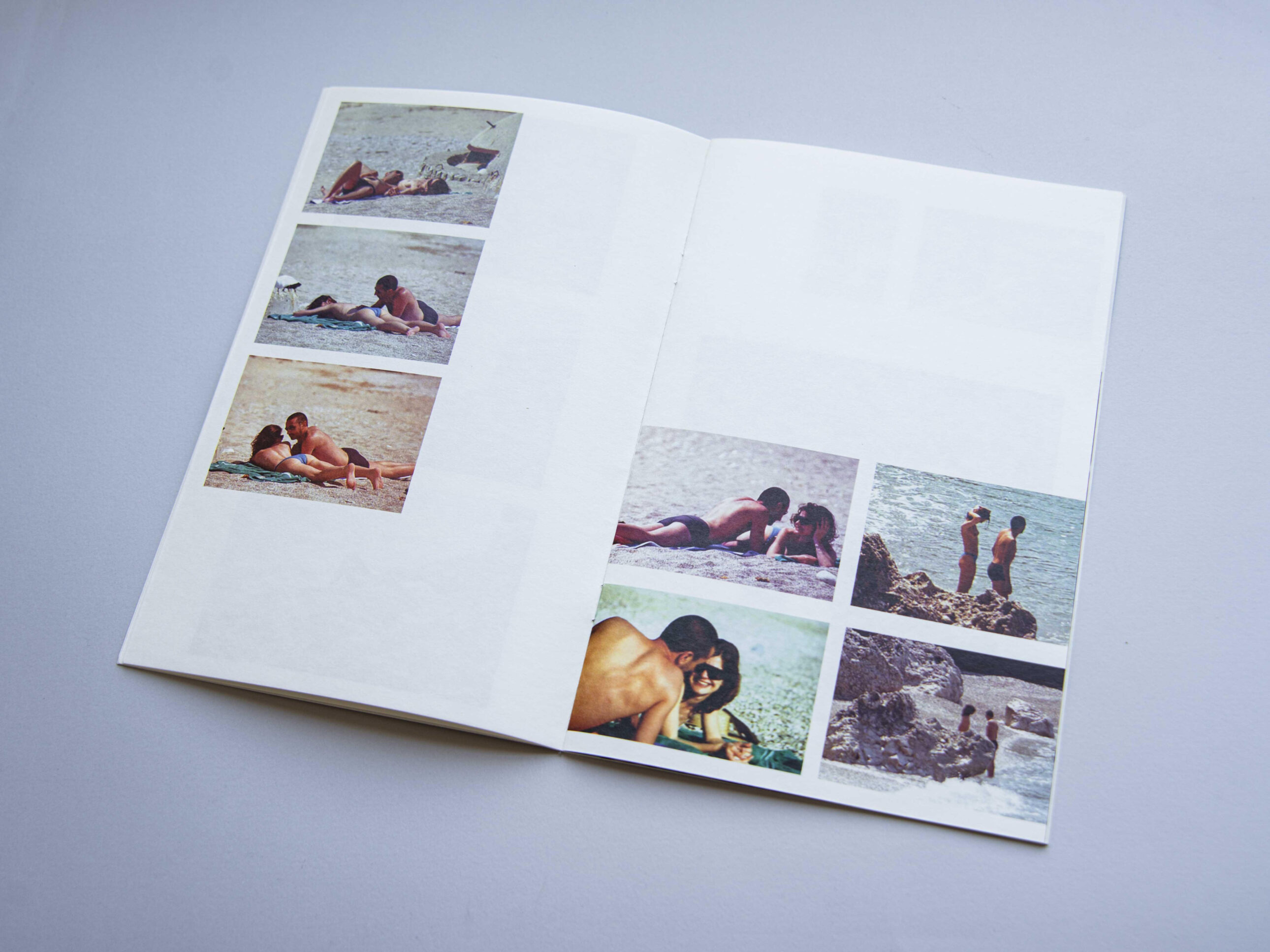
This Publication by Tanja Ostojić is a conceptual artwork developed in collaboration with curator Edi Muka during the Tirana Biennale 2. The project stages a fictional romantic vacation on the Albanian Riviera, documented through paparazzi-style photographs, photo collages, and a website. Part of the series Strategies of Success / Curator Series (2001–03), the work critically examines gender dynamics and power relations within the contemporary art system, particularly the relationships between artists, curators, and institutions.
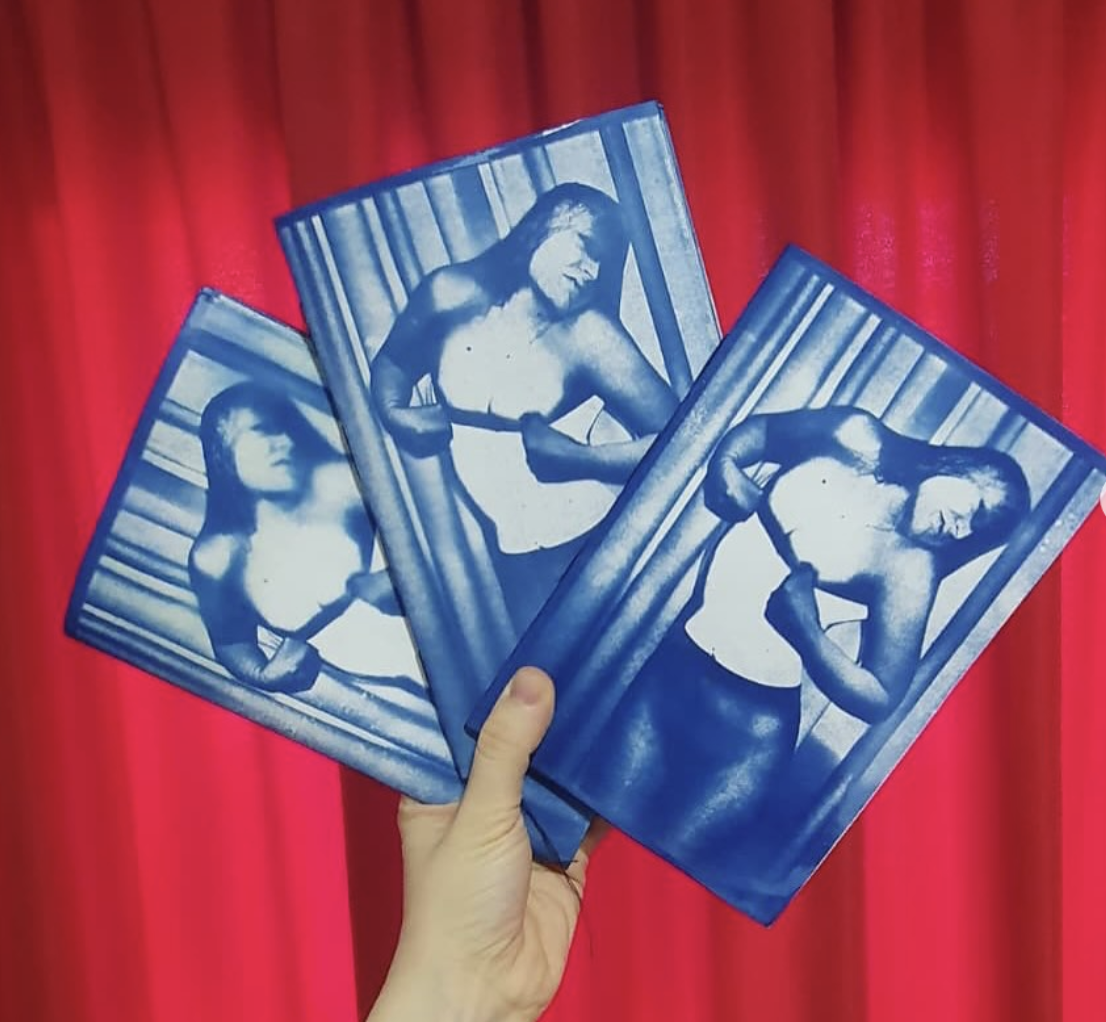
The Mark of the Blue is a handmade artist publication produced using the cyanotype technique on paper. Through images created from traces of her own body, Dea Shubleka explores the fragile line between body, memory, and decay. The deep blue tones generated by the cyanotype process form a visual and emotional landscape where blue becomes both stain and witness—a terrain where order and chaos, innocence and awareness dissolve into a continuous presence.
[+]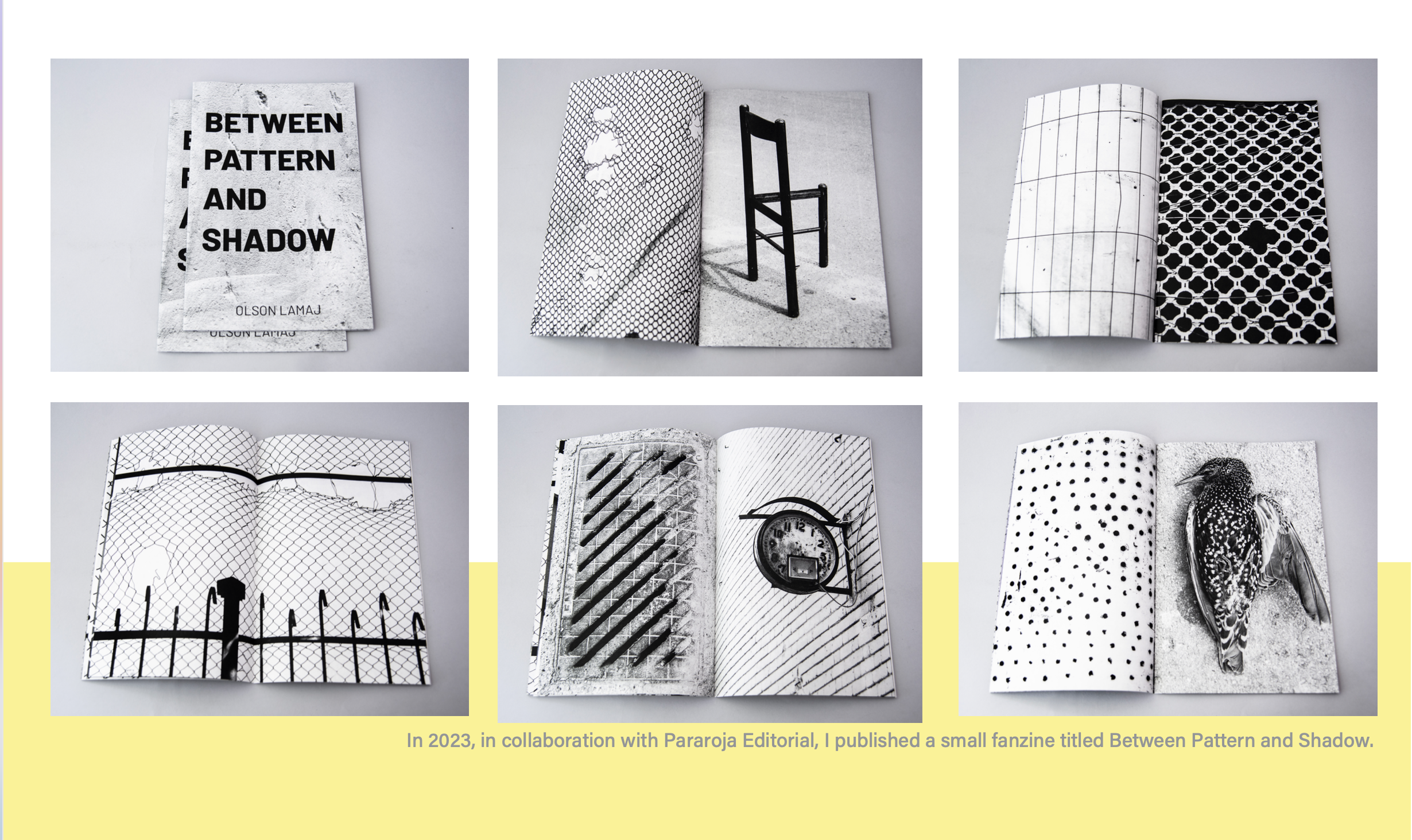
My Homeland by Olson Lamaj is a photographic publication exploring Tirana’s ever changing urban landscape. Through black-and-white images, the series captures the city’s hidden rhythms from traditional pitched-roof neighborhoods to towering modern constructions revealing intimate daily lives often overlooked. Fragmented visual pieces form a symbolic language in secondary streets, exposing truths behind fences, electrical networks, and precarious labor conditions. The work reflects on memory, transformation, and capitalism’s imprint on the city, offering a contemplative love story to a fragmented Tirana.
[+]You are currently viewing a placeholder content from Facebook. To access the actual content, click the button below. Please note that doing so will share data with third-party providers.
More InformationYou need to load content from reCAPTCHA to submit the form. Please note that doing so will share data with third-party providers.
More InformationYou are currently viewing a placeholder content from Instagram. To access the actual content, click the button below. Please note that doing so will share data with third-party providers.
More InformationYou are currently viewing a placeholder content from X. To access the actual content, click the button below. Please note that doing so will share data with third-party providers.
More Information