
shushushushu books
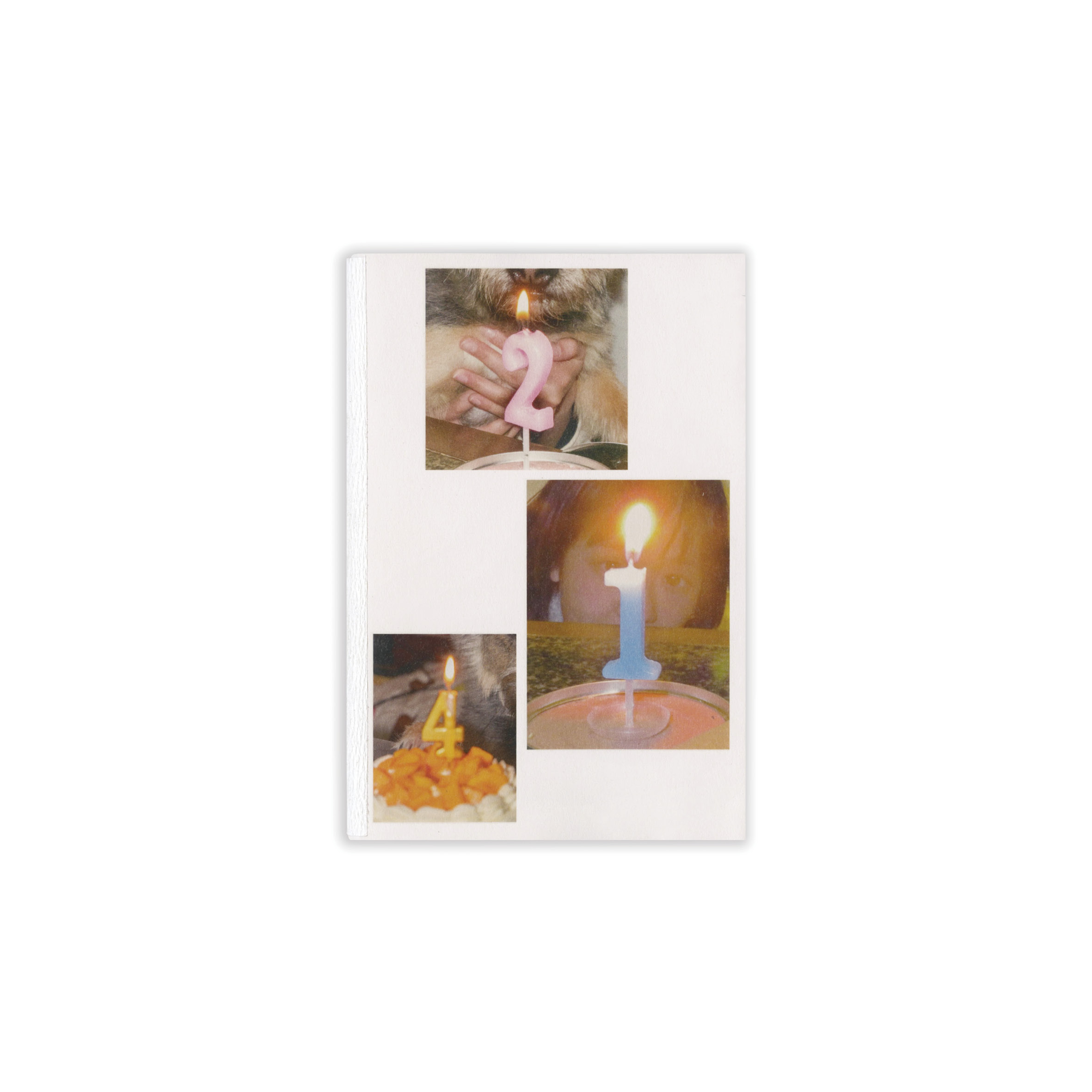
I love the word "touch"-both its meaning and its sound. The photographs in this book span over a decade of my life.
Below are fragments of my thoughts and feelings while capturing these images:
Sometimes it wasn't easy. I wrestled with myself in those moments, often giving up-but occasionally, I lifted my heavy hand and pressed the shutter.
I want viewers to feel as though they're pushing against a wall when looking at these photos, sensing the resistance pushing back.
With photography, I wage war against time. My images are weapons in this battle.
Intimacy is rare for me-whether emotional or physical.
I'm not a gentle person, but I want to become gentle.
Water droplets slide down my arm. I feel them. When they fall-cool? Ticklish?-neither word captures that sensation. Can photographs bring me closer to that feeling better than words ever could?
Tangibility! These photos are about the raw sensation of being alive!
If you're happy, clap your hands. If you feel alive, take photographs.
Earlier I called photography my weapon against time. Yet ten years later, flipping through these images, time only reveals its cruelty-mocking my resistance. Time now isn't seconds or hours, but what's happened and can never happen again. Time is change; only change reminds us time exists.
Photography doesn't need to be responsible for truth-that isn't its purpose. Like cinema, it refuses to let death be a freeze-frame. Photos let memory's film rewind and play once more.
Photography can even create new memories.
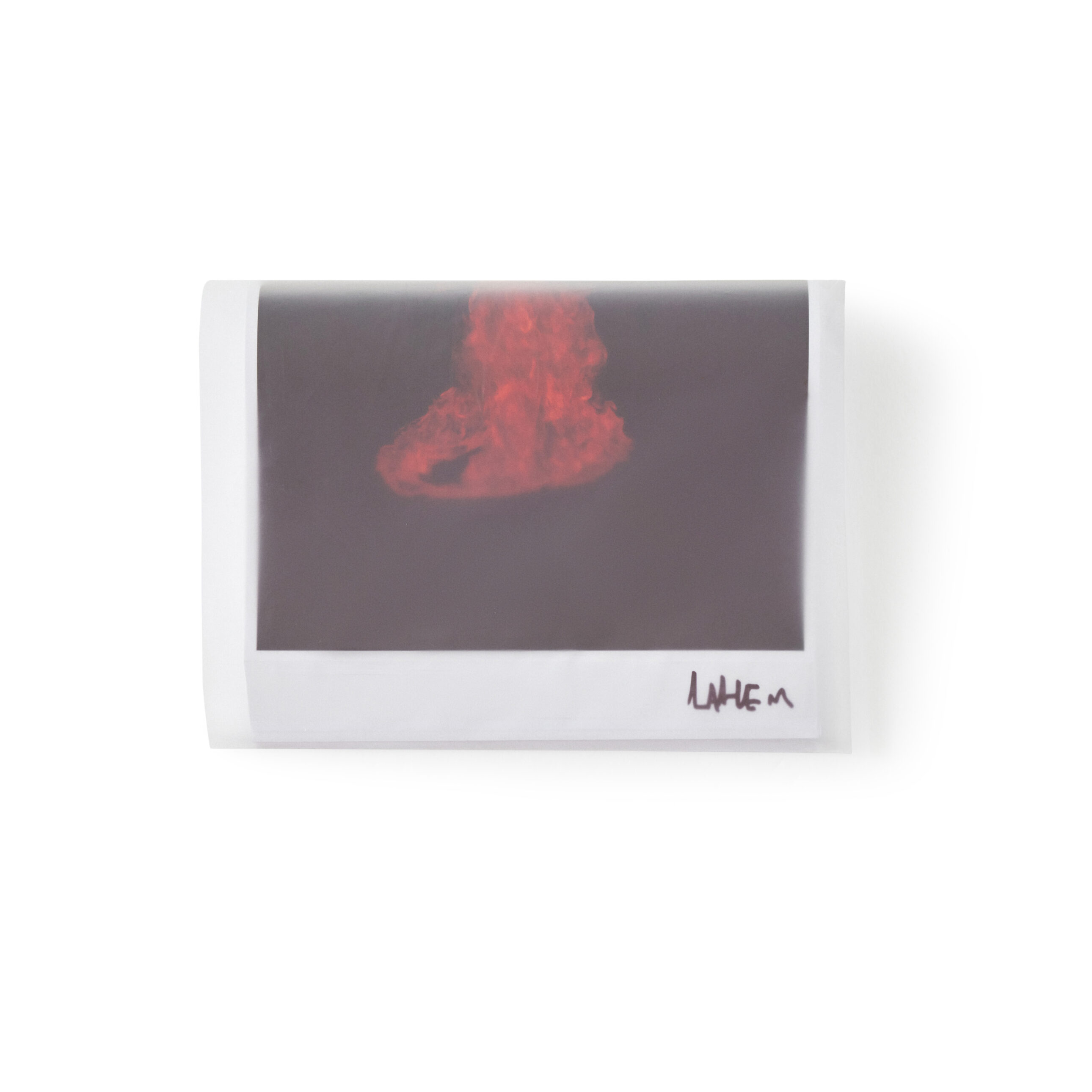
Si Bei was completed in 2024, marking the culmination of a project spanning 14 years. Since Lahem first encountered a camera in 2007, he begen photographing Sibei – his birthplace and a typical mountain village in central China.
The villagers of this village are descendants of the Hakka people, whose ancestors migrated south centuries ago. Thus, the area is one of the Hakka settlements. Moreover, the village holds historical significance as a site where early 20th-century Chinese revolutionaries sought to realize their revolutionary ideals. It was once the seat of the Chinese Soviet Republic and served as the starting point of the Red Army’s Long March.
During the creation of this work, Lahem also pursued another line of inquiry—an introspection on his identity that spanned over a decade.
This exploration resulted in several works, including Wander-lost (2013), Walking 1000 Kilometers Back to Hometown (2016), and Luo Fuping/Reborn (2019).
In Sibei, Lahem moves beyond the binary opposition between himself and his family or land. Instead, he shifts his focus to the land where Sibei village is located and the people living there. His attention centers on shared human destinies, the permanence of the land, the mystery of space, and the struggles, resilience, and unyielding spirit of the people inhabiting this land as they face time and historical tides.
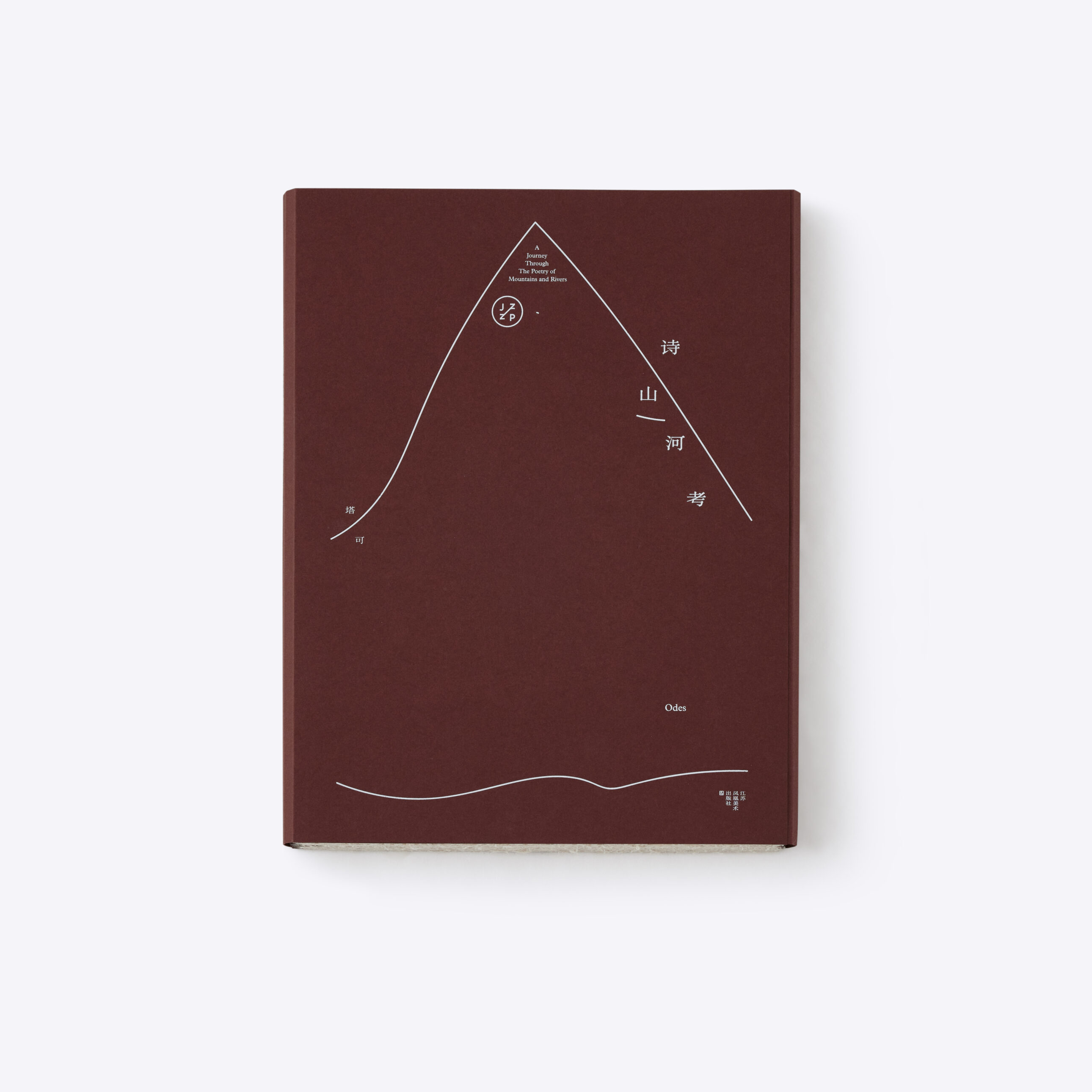
In Taca’s most important photographic series, ODE (2008-present), the artist uses geographical descriptions from the Chinese classic, The Book of Odes, as clues and inspiration for his works. The Odes, as it is also known, is one of the five classics of Chinese literature and comprises 305 folk songs and poems that deal with the history, myth and religious tradition of ancient Han culture. The earliest songs are thought to have been composed during the 11th century BCE. Taca’s photographic works often directly relate to implied geographic locations and landscape features in central China contained in the poems – hills, mountains, rivers and fields. In many examples, however, the works transcend particular physical space to suggest a kind of spiritual landscape. This impression is heightened by Taca’s compositional treatment; his use of wide horizons and vast enigmatic space to convey a feeling of epic stretches of time. The images speak not only of an enduring sense of China but also of the timeless and enduring spirit of humanity that persists beyond politics and history.
[+]You are currently viewing a placeholder content from Facebook. To access the actual content, click the button below. Please note that doing so will share data with third-party providers.
More InformationYou need to load content from reCAPTCHA to submit the form. Please note that doing so will share data with third-party providers.
More InformationYou are currently viewing a placeholder content from Instagram. To access the actual content, click the button below. Please note that doing so will share data with third-party providers.
More InformationYou are currently viewing a placeholder content from X. To access the actual content, click the button below. Please note that doing so will share data with third-party providers.
More Information